Best Oil Tank Removal Companies in Delaware (2026)
Short answer: Delaware treats home heating oil tanks lightly on paper (DNREC says underground heating fuel tanks of 1,100 gallons or less are not state-regulated), but a tank that is leaking, or that you need a DNREC no further action determination for, calls for a DNREC-certified closure contractor and soil samples. Good places to start: Delmarva Petroleum Service for Kent and Sussex, First State Petroleum Services and J&M Industries as the two firms on the state's current closure contract, Curren Environmental for northern Delaware and sweeps, and Onterris when a leak turns the job into remediation.
By the Tank Removers Editorial Team · Updated November 4, 2026
How we chose
Delaware is different from its neighbors. Maryland requires a certified remover for any underground home tank, and Pennsylvania leaves most home heating oil tanks to local rules. Delaware draws a line at 1,100 gallons: below it, DNREC says the tank is not regulated and you may remove it yourself or pump it out and fill it with sand; above it, a certified contractor is required. Even so, DNREC maintains a public list of certified closure contractors, and its regulation ties a no further action determination for small heating fuel tanks to the same certification rules. That gave us a clean starting point. We started from DNREC's Delaware Certified UST Closure Contractors list dated October 14, 2026 and the State of Delaware's award notice for its current UST removal contract (valid April 1, 2026 through March 31, 2029), then read each firm's own website where one loaded. We looked for firms that meet these criteria:
- Appears on DNREC’s current certified UST closure contractor list (dated October 14, 2026), the credential the regulation requires for closure work on a regulated tank
- Has an additional official or first-party source we could check: the State of Delaware closure contract, DNREC’s other lists, or the company’s own website
- Serves Delaware homeowners, or says clearly that its focus is commercial, farm or consulting work
- Can take soil samples and deal with a release if one turns up
- Says what it handles for you (utility mark-out, local permits, sampling, closure paperwork)
Nobody paid for placement. We list our own site first because it is a different kind of option (a matching service), and we label it. The DNREC list includes many firms based in Maryland, Pennsylvania, New Jersey and elsewhere that mainly do commercial and gas station work; we included only firms with a Delaware base or a visible residential or Delaware-specific record. Being on the list is not an endorsement, and we did not verify individual certifications or insurance. DNREC says certified companies must show proof of at least one million dollars in general liability insurance and at least a quarter million dollars in contractor's pollution liability insurance, and that a certified on-site supervisor must be present throughout the work. Ask for both.
At a glance
| Company | Based | Official listing we checked | Best for |
|---|---|---|---|
| Tank Removers (this is our site) | Delaware (matching service) | Free quote matching with participating local contractors; we do not perform removals ourselves | Getting several written quotes from one request |
| Delmarva Petroleum Service, LLC | Delmarva Peninsula; based in Lincoln (Sussex County, near Milford) | On DNREC’s certified closure list (B9205, shown as expiring 7/31/2027); says it has served the peninsula since 1999 and that its managers hold Delaware Installation, Retrofit and Closure licenses | Kent and Sussex County homeowners who may want a replacement above-ground tank in the same job |
| First State Petroleum Services, Inc. | Based in Harrington (Kent County) | On DNREC’s certified closure list (B5110, shown as expiring 9/30/2027) and named as a vendor on the State of Delaware UST removal, closure-in-place and overexcavation contract valid April 1, 2026 through March 31, 2029 | Kent County homeowners who want a firm the state itself uses for tank closures |
| J&M Industries, Inc. | Based in Wilmington (New Castle County) | On DNREC’s certified closure list (B5112, shown as expiring 9/30/2027) and named as a vendor on the State of Delaware UST removal and closure contract valid April 1, 2026 through March 31, 2029 | New Castle County homeowners who want a certified firm with a state-contract track record |
| Coastal Pump & Tank, Inc. | Based in Harrington (Kent County) | On DNREC’s certified closure list (B5109, shown as expiring 11/30/2027); also appears on DNREC’s vapor recovery testing contractor list; was a vendor on the state’s earlier (2014 to 2019) UST closure contract | Homeowners who also have commercial or farm tank questions |
| Curren Environmental, Inc. | Based in Cherry Hill, NJ; works in NJ, DE and PA | On DNREC’s certified closure list (B9210, shown as expiring 1/31/2027); says it has 25+ years of oil tank removals in New Jersey, Pennsylvania and Delaware | Northern New Castle County tanks that may have leaked, or buyers who want a sweep and a removal from one firm |
| BrightFields, Inc. | Based in Wilmington (New Castle County) | On DNREC’s certified closure list (B0231, shown as expiring 9/30/2027) | Larger or more complicated New Castle County sites where contamination is already known |
| Onterris USA, Inc. | Based in Wilmington; offices across the U.S., Canada and Australia | On DNREC’s certified closure list (B0261, shown as expiring 10/31/2028); the same certification number and Limestone Road address appeared on DNREC’s 2019 list under the name Environmental Alliance Inc. | Tanks with a known release, or properties where a leak turns the job into remediation |
Certification numbers and expiry dates are as printed on DNREC's list dated October 14, 2026. They can change; check the current list before you sign.
1. Tank Removers (this is our site)
Delaware (matching service)
What we could confirm: Free quote matching with participating local contractors; we do not perform removals ourselves.
Best for: Getting several written quotes from one request.
Disclosure: Tank Removers is our own website. We are not a removal contractor. You describe the tank once (buried or basement, size if you know it, your county), and we connect you with participating local pros so you can compare written scopes side by side. Only contractors in our network appear, so the independent firms below are worth calling directly too. Delaware has no single rule that fits every home tank, so whoever you talk to, ask what they hold from DNREC and check it against the state list before work starts.
Source: How it works
2. Delmarva Petroleum Service, LLC
Delmarva Peninsula; based in Lincoln (Sussex County, near Milford)
What we could confirm: On DNREC’s certified closure list (B9205, shown as expiring 7/31/2027); says it has served the peninsula since 1999 and that its managers hold Delaware Installation, Retrofit and Closure licenses.
Best for: Kent and Sussex County homeowners who may want a replacement above-ground tank in the same job.
Delmarva Petroleum describes itself as a family-owned fuel-system company founded in 1999. Its services page lists tank installation, upgrades, and removal and abandonment of outdated or no-longer-needed systems, plus testing (tank, line and leak detector, spill containment, cathodic protection). The homepage says it handles anything from a simple 275-gallon heating oil tank to a 50,000-gallon bulk system, and its services page lists 275-gallon vertical and horizontal tanks as in-stock items. Its LinkedIn page says it has done hundreds of removals and closures, from small 300-gallon residential tanks to 20,000-gallon bulk tanks, in Delaware, Maryland and Virginia (a company statement we could not verify). Its About page says two of its managers, Craig Reynolds and Matthew Parsons, hold a Delaware Installation, Retrofit and Closure License. It is a fuel-equipment company first, so it is a natural call if you are pulling a buried tank and keeping oil heat. It lists a 24/7 emergency line for fuel-system problems.
Source: company website
3. First State Petroleum Services, Inc.
Based in Harrington (Kent County)
What we could confirm: On DNREC’s certified closure list (B5110, shown as expiring 9/30/2027) and named as a vendor on the State of Delaware UST removal, closure-in-place and overexcavation contract valid April 1, 2026 through March 31, 2029.
Best for: Kent County homeowners who want a firm the state itself uses for tank closures.
First State Petroleum appears on two official documents we could check: DNREC’s current certified closure list and the State of Delaware’s award notice for contract NAT25003-UST_CLOSURE, which lists it as a Delaware vendor with a Harrington address. A state contract vendor has been vetted for the state’s own closure work, which is a useful signal, though it says nothing about how it treats private homeowners. We did not find a company website for it, so we are not describing services beyond those two documents. Ask for written scope, the name of the certified on-site supervisor, the sampling plan and the paperwork you will receive.
4. J&M Industries, Inc.
Based in Wilmington (New Castle County)
What we could confirm: On DNREC’s certified closure list (B5112, shown as expiring 9/30/2027) and named as a vendor on the State of Delaware UST removal and closure contract valid April 1, 2026 through March 31, 2029.
Best for: New Castle County homeowners who want a certified firm with a state-contract track record.
J&M Industries’ website is a one-page site that calls it an expert contractor in underground tank removal and gives a phone number, (302) 575-0200. Beyond that, what we can say comes from official documents: it is on DNREC’s certified closure list, and the State of Delaware’s award notice for contract NAT25003 names it as a Delaware vendor. The notice does not say how many residential jobs it does. Because its own site says little, treat the first call as your due-diligence call: ask what share of its work is home heating oil tanks, who the certified on-site supervisor will be, and whether sampling and lab reports are included.
Source: company website
5. Coastal Pump & Tank, Inc.
Based in Harrington (Kent County)
What we could confirm: On DNREC’s certified closure list (B5109, shown as expiring 11/30/2027); also appears on DNREC’s vapor recovery testing contractor list; was a vendor on the state’s earlier (2014 to 2019) UST closure contract.
Best for: Homeowners who also have commercial or farm tank questions.
Coastal Pump & Tank is a long-listed Delaware tank contractor: it was named in the state’s 2014 award for UST removal and closure-in-place work, it is on DNREC’s current closure list, and DNREC’s vapor recovery page lists it as a testing contractor. We could not load a company website, and the state’s newest closure contract (April 2026 onward) names only two vendors, J&M and First State, so we do not know whether Coastal is currently on state work. Its mix of fueling-site testing and closure experience points to commercial and farm tanks, but we are not claiming how much residential work it takes. Ask it directly.
Source: DNREC certified closure list
6. Curren Environmental, Inc.
Based in Cherry Hill, NJ; works in NJ, DE and PA
What we could confirm: On DNREC’s certified closure list (B9210, shown as expiring 1/31/2027); says it has 25+ years of oil tank removals in New Jersey, Pennsylvania and Delaware.
Best for: Northern New Castle County tanks that may have leaked, or buyers who want a sweep and a removal from one firm.
Curren’s residential tank page walks through its process: local permits, a utility mark-out, excavating, cutting the tank open, cleaning it, removing it, and sampling the soil. Its site also lists tank sweeps with ground-penetrating radar, tank testing, closure in place, foam filling and remediation, so it can follow a find through to a cleanup. One thing to read carefully: the page says Pennsylvania and Delaware do not require companies to be certified for residential tanks and that Curren is licensed in Delaware for commercial tanks. DNREC’s own fact sheet does say tanks of 1,100 gallons or less are not state-regulated, but its current regulation says an owner who wants a DNREC no further action determination for such a tank is routed through the certified-contractor requirement (see the rules section below). Curren is on DNREC’s list either way, so ask which route it recommends for your tank and why.
Source: company website
7. BrightFields, Inc.
Based in Wilmington (New Castle County)
What we could confirm: On DNREC’s certified closure list (B0231, shown as expiring 9/30/2027).
Best for: Larger or more complicated New Castle County sites where contamination is already known.
BrightFields appears on DNREC’s certified closure list with a Wilmington address. Its website returned a server error when we tried it on November 4, 2026, so we are limiting this entry to the official listing and not repeating claims about its services. A firm on the list can legally do closure work in Delaware, but this list does not tell you who focuses on a 275-gallon home tank. Use it as one more name to call for bids, and ask the same questions you would ask anyone else.
Source: DNREC certified closure list
8. Onterris USA, Inc.
Based in Wilmington; offices across the U.S., Canada and Australia
What we could confirm: On DNREC’s certified closure list (B0261, shown as expiring 10/31/2028); the same certification number and Limestone Road address appeared on DNREC’s 2019 list under the name Environmental Alliance Inc..
Best for: Tanks with a known release, or properties where a leak turns the job into remediation.
Onterris describes itself as an environmental consulting, testing and remediation company, with contaminated land and remediation among its listed solutions. That is a different kind of firm from a small tank crew: it is the one to call when soil results come back dirty or when a buyer or lender wants an environmental consultant involved. It is probably more than a simple 275-gallon pull needs, so for a routine job get bids from the tank-focused firms above as well. Its website does not mention residential heating oil tanks specifically, so ask whether it takes them.
Source: company website
What Delaware actually requires for a home heating oil tank
The 1,100-gallon line. DNREC's Tank Management Section fact sheet says heating fuel tanks of 1,100 gallons or less are not regulated by the Department. Tanks between 1,100 and 2,000 gallons are regulated and must be registered. Tanks over 2,000 gallons must be registered and carry an annual per-tank registration fee. A heating fuel tank, in DNREC's terms, stores fuel used only on the premises and only for heating. If the fuel is used for anything else, such as fueling vehicles, DNREC does not treat it as a heating fuel tank.
Basement tanks. The regulation's definition of an underground storage tank excludes a tank sitting on or above the floor in an underground area such as a basement or cellar. If your tank is in the basement, the underground-tank rules in this section generally do not apply to it, though local fire and building rules can.
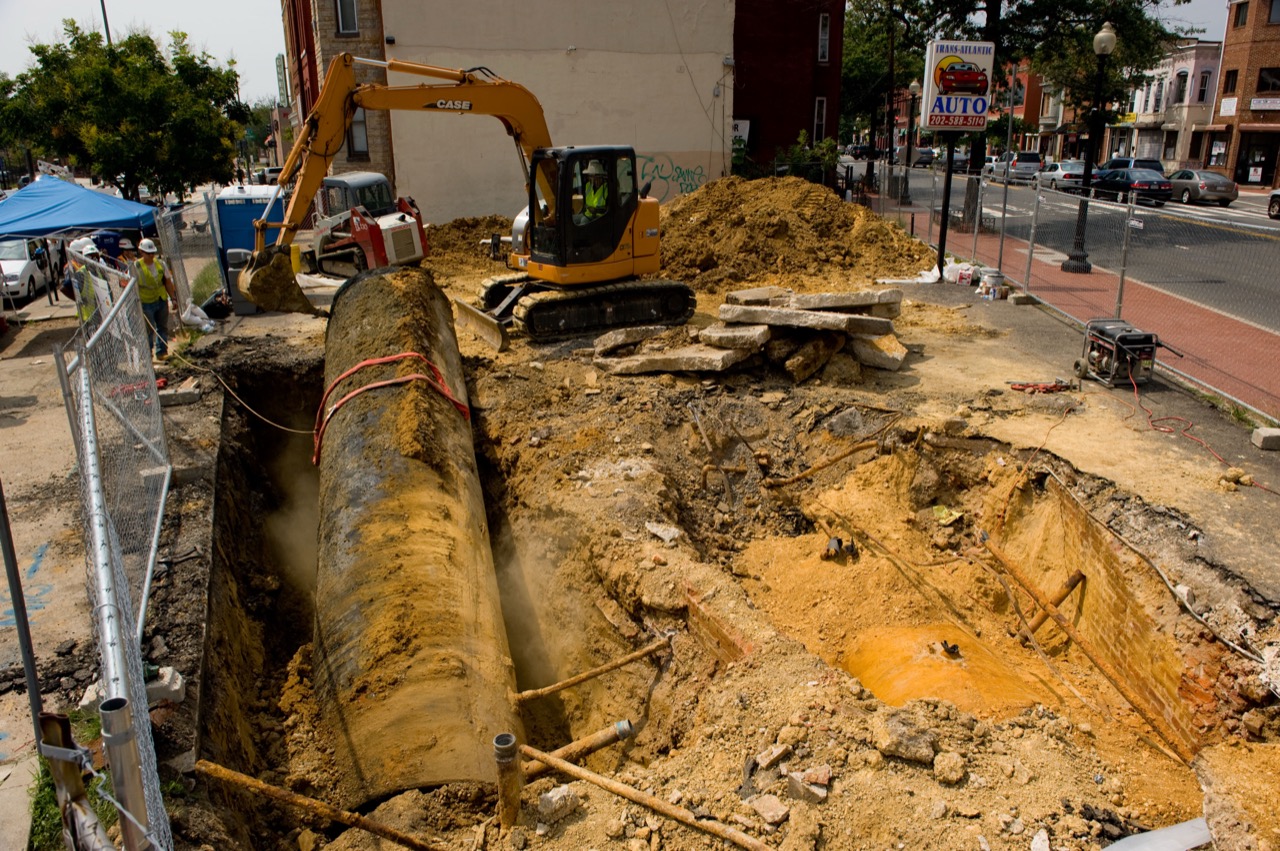
Closing a small buried tank. For a tank of 1,100 gallons or less that you no longer want to use, DNREC's fact sheet says you may remove it, or pump out all remaining fuel and fill it with sand or another solid, inert material. For a tank over 1,100 gallons, you must hire a certified contractor to remove or properly abandon it, and soil samples must be taken at the time to determine whether the tank leaked.
The wrinkle: no further action letters. The current regulation (7 DE Admin. Code 1351, Part A) says heating fuel tanks of 1,100 gallons or less are subject only to a short list of sections, including the one on requests for a No Further Action determination. That section says an owner who seeks a determination for the removal or closure in place of such a tank is subject to the certified-contractor requirement and the closure section. In plain terms: you may be allowed to do it yourself, but if you want DNREC to put in writing that no further action is needed, plan on a certified company and DNREC's sampling protocol. Some contractors, including Curren on its own site, describe the rules differently, which is why we suggest calling DNREC at 302-395-2500 before you choose.
Notice for regulated tanks. For tanks that are fully regulated, the owner must submit a signed notification form that DNREC receives at least 14 days before removal or closure in place, and DNREC says doing the work without it is prohibited. Separately, anyone installing a new tank needs DNREC's approval and 30 days' notice. That 30-day figure is for installations, not removals.
If it leaked. DNREC says any underground release of heating fuel is potentially serious and requires notification at 1-800-662-8802. Surface spills of more than 25 gallons, or spills that cannot be cleaned up within 24 hours, go to the same number. DNREC says it will guide you through the cleanup.
Buying or selling. DNREC's fact sheet says to check whether a tank has leaked even if it is unregulated, empty or unused, since you do not want to buy pre-existing contamination. It suggests soil samples around the old tank, watching for fuel stains around the fill or vent lines, and dead or stressed vegetation. It also says a seller and buyer of a property with a registered tank must send ownership transfer information to the Department within 30 days of transfer, and local laws and ordinances may differ from the state's.
The state closure assistance program: check it before you hire
DNREC's Heating Fuel Underground Storage Tank Closure Assistance Program was created to perform the removal or closure in place of residential heating fuel tanks of 1,100 gallons or less that are buried below ground and used to heat the premises where they sit. It is funded through the Hazardous Substance Cleanup Act fund, has limited funding, and allocates it in the order applications are received and deemed eligible.
Two things matter if you are comparing contractors. First, it is not a reimbursement program: the work is done under State of Delaware contracts by select DNREC-certified closure contractors, and DNREC assigns the contractor, so you will not choose from this list. Second, the program is narrow. DNREC's brochure says the contractor performs the removal or closure in place with confirmatory soil samples, and limited contaminated-soil overexcavation, sampling and disposal of up to 22 tons if needed. It does not cover additional investigation or cleanup costs, replacement tanks or other heating sources and equipment, management of contaminated materials, or restoration of landscaping or hardscaping.
The practical advice: ask DNREC (302-395-2500) whether your tank is eligible before you collect bids. If you are approved, you do not need a bid. If not, or if you cannot wait, the firms above are where to start.
Questions to ask every Delaware contractor
- Is my tank 1,100 gallons or less, and how did you confirm the size? Is it buried or in the basement?
- Who will be the DNREC-certified on-site supervisor, and is your company on DNREC's current list?
- Do you carry the general liability and contractor's pollution liability coverage DNREC requires? Can I see the certificates?
- Will you remove the tank or fill it in place, and why? If in place, with what material?
- How many soil samples, analyzed by which method, and do I get the lab report and a closure summary?
- Will you remove the fill and vent pipes and tell my oil company to stop deliveries?
- What will you do if you find oil, and who calls DNREC?
- What do my county or town require (permit, inspection), and who arranges it?
What drives the cost (we don't publish prices)
- Buried versus basement tank, and the tank's size and depth
- Access for an excavator, and what has to be protected or restored (driveways, patios, landscaping)
- Fill, vent and supply lines that come out
- Removal versus closure in place, and the fill material
- Number of lab samples and whether a written closure summary is included
- Contaminated soil, if any, and how far it extends
- Whether you are getting a replacement tank installed in the same job
See also: Delaware underground oil tank guide, removal vs. abandonment, how to choose a tank company, and our neighboring-state lists for Maryland, Pennsylvania and New Jersey.
Frequently asked questions
Who is the best oil tank removal company in Delaware?
There is no official ranking. On our criteria, Delmarva Petroleum Service stands out for Kent and Sussex County homeowners (own website, removal plus replacement tanks, a 24/7 emergency line); First State Petroleum Services and J&M Industries for being named on the state’s current UST closure contract; Curren Environmental for sweeps, removals and cleanups across northern Delaware and the NJ border; Coastal Pump & Tank and BrightFields as additional DNREC-listed firms to include in bids; and Onterris for jobs that turn into remediation. Get at least two written scopes and compare the certified supervisor’s name against the DNREC list.
Does DNREC regulate my home heating oil tank?
It depends on size. DNREC’s Tank Management Section fact sheet says underground heating fuel tanks of 1,100 gallons or less are not regulated by the Department, tanks over 1,100 up to 2,000 gallons are regulated and must be registered, and tanks over 2,000 gallons are regulated, registered and carry an annual per-tank fee. Basement tanks sitting on the floor are outside the regulation’s definition of an underground storage tank altogether. The fact sheet is dated 2012, so confirm current rules with DNREC at 302-395-2500.
Do I have to hire a DNREC-certified contractor for a home tank?
For a tank over 1,100 gallons, yes: DNREC’s fact sheet says you must hire a certified contractor to remove or abandon it, with soil samples taken at the time. For a tank of 1,100 gallons or less the fact sheet says you may remove it or pump out the fuel and fill it with sand or another solid, inert material. But 7 DE Admin. Code 1351 says an owner of a heating fuel tank of 1,100 gallons or less who seeks a no further action determination for its removal or closure in place is subject to the certified-contractor and closure sections. If you want that paper for a buyer or lender, use a certified firm and ask DNREC first.
Do I have to notify DNREC before removing a tank?
For a regulated tank, DNREC’s regulation says the owner must submit a signed notification form that DNREC receives at least 14 days before removal or closure in place, and work without it is prohibited. Heating fuel tanks of 1,100 gallons or less are carved out of that section, but they still come under the no-further-action and closure provisions if you want a DNREC determination. Older DNREC guidance sheets quote different notice windows, so call the Tank Management Section before you schedule a dig. Local permits are separate.
Is there state help paying for a heating oil tank closure in Delaware?
Possibly. DNREC runs a Heating Fuel Underground Storage Tank Closure Assistance Program for buried residential heating fuel tanks of 1,100 gallons or less. It has limited funding, allocates it in the order eligible applications arrive, and is not a reimbursement program: DNREC assigns a state-contract certified contractor to do the removal or closure in place, with confirmatory soil samples and limited overexcavation (up to 22 tons, per DNREC’s brochure). It does not cover further investigation or cleanup, replacement tanks or heating equipment, or restoring landscaping and hardscaping. Apply through DNREC; because the state assigns the contractor, the firms in this list are for owners who are not using the program.
What happens if the soil is contaminated?
DNREC says any underground release of heating fuel is potentially serious and must be reported to DNREC at 1-800-662-8802, and surface spills over 25 gallons or that cannot be cleaned up within 24 hours must be reported to the same number. DNREC will guide the cleanup. Ask any contractor, before you sign, who calls DNREC and whether it can do the excavation and sampling itself or would bring in a consultant.
How much does oil tank removal cost in Delaware?
We do not publish price ranges. Cost depends on whether the tank is buried or in the basement, its size and depth, access for equipment, whether lines and the fill pipe come out, removal versus closure in place, the number of lab samples, and whether any contaminated soil has to go. Compare itemized written quotes that name the certified on-site supervisor, the sampling plan and the final paperwork.
Sources
- DNREC Tank Management Section — Requirements for Underground Heating Fuel Tanks (rev. 4/5/12)
- 7 DE Admin. Code 1351 — Underground Storage Tank Systems (applicability, definitions, notification, certified contractors, no further action)
- DNREC — Financial Assistance Programs (Heating Fuel UST Closure Assistance)
- DNREC — Heating Fuel UST Closure Assistance Program brochure (October 26, 2022)
- DNREC — Underground Storage Tank Contractors (certification, insurance requirements)
- DNREC — Delaware Certified UST Closure Contractors (14-Oct-26)
- State of Delaware — Award Notice, Contract NAT25003-UST_CLOSURE (April 1, 2026 to March 31, 2029)
- Company facts: each firm's own website where linked above, checked November 4, 2026.
Get written quotes to compare
Describe your tank once and we'll match you with participating Delaware contractors. Free, no obligation, and every quote is yours to compare.
Get free quotes →